 RobotBoxe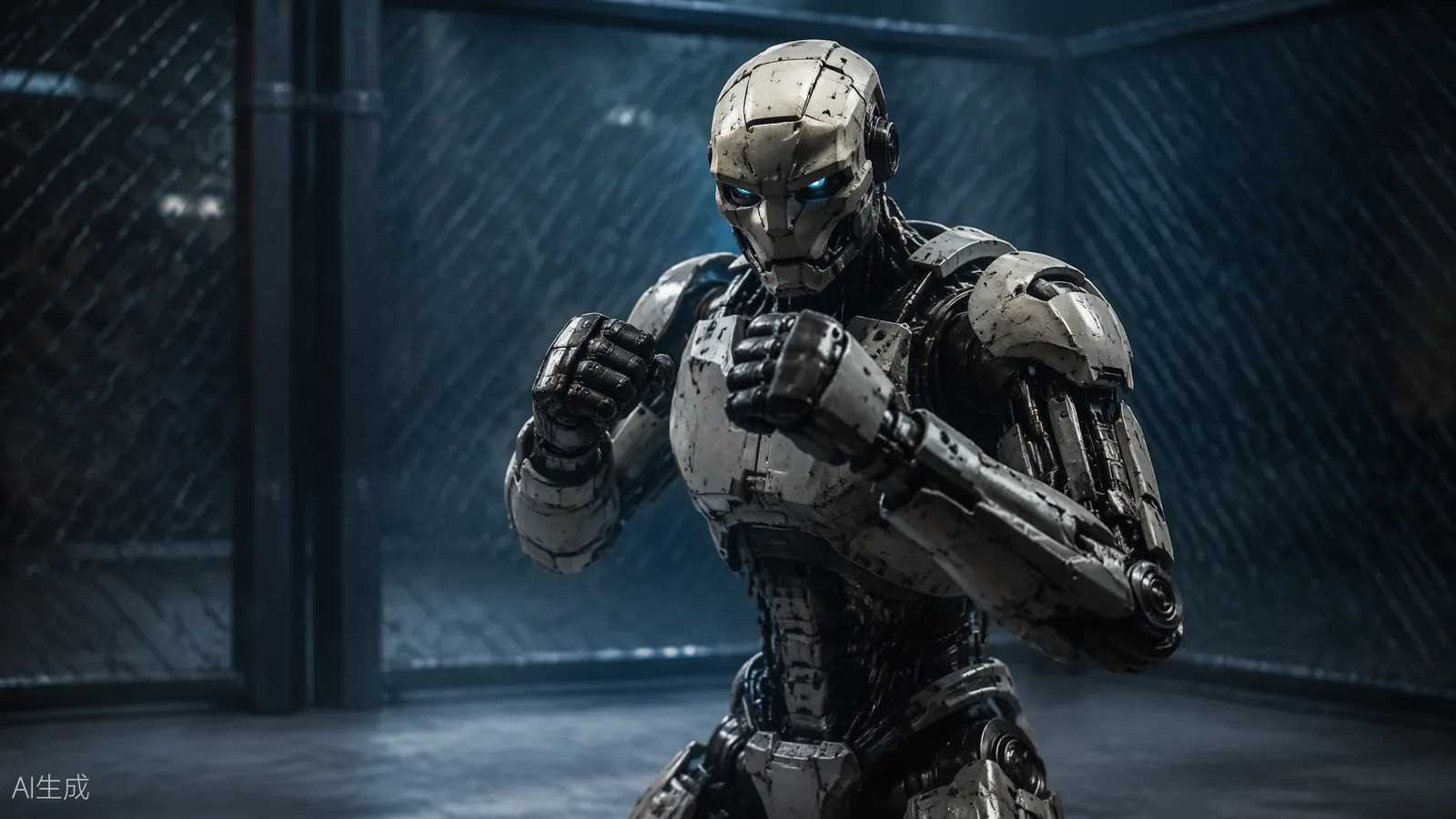
Here's the beautiful thing about URKL: every team fights with the exact same robot. No bigger engine, no secret hardware. So when one machine wins and another faceplants, the difference is entirely in the code and the corner. This is how fights are actually won — no engineering talk, promise.
New to the league? Start with what URKL is and our beginner's guide to robot fighting.
The scoring in plain words
Five rounds, five minutes each. Points come from three places:
- Effective strikes — 1 point. Clean punches and kicks that land with intent.
- Knockdowns — 3 points. Put the other robot on the floor, triple your reward.
- Taunts — points. Yes, really. Posing, dancing, gesturing at your opponent scores, which is why you'll see winning robots showboat mid-round.
Win rounds, stack points, and when totals are tight the tiebreakers look at things like knockdown records. Simple to follow, brutal to execute.
The five levers that win fights
1. Balance above everything. A robot that can't stay upright can't score — and keeps donating 3-point knockdowns. The best teams' software treats every exchange as a balance problem first and a boxing problem second.
2. Guard discipline. Clean hits only count if they land. Teams that keep the guard tight between exchanges bleed fewer points across five rounds.
3. Pace control. Some teams swarm early to bank rounds; others coast, study, and steal the later rounds. With five rounds to work with, losing round one means nothing if you solve your opponent by round three.
4. Combos over haymakers. Single big kicks look spectacular — and they went viral for a reason — but steady, accurate combinations are what quietly win rounds on points.
5. Recovery speed. Every robot falls. The ones that spring back up in seconds limit the damage to 3 points; the ones that stay down lose rounds, and sometimes the fight.
Why taunting is strategy, not showbiz
Because it scores, taunting is a calculated move: pose while your opponent recovers and you're banking points at zero risk. It also plays to the crowd and the highlights reel — in a league this young, entertainment value is a genuine competitive edge.
Same robot, different brains
This is URKL's core drama. Hand 32 teams an identical T800 and you get 32 different fighters: aggressive swarmers, patient counter-punchers, high-kick specialists. The league is effectively a world championship of fight software — and the gold belt and 10 million yuan prize pool say the stakes are real.
What the opening final taught us
The July 16 opening-night exhibition between White Eagle and Matador was a masterclass in almost all of the above: early falls and instant recoveries, taunt points deciding a round, a high-kick specialist stealing rounds back, and a finale nobody will forget. For the blow-by-blow and the result, our sister site URKL News has the full event coverage.
Deeper tactical breakdowns — how judging decisions really work, armor-vs-agility setups — are coming to this section as the season unfolds.